
Why Consistent Routines Matter in Early Childhood
The Importance of Daily Routines for Young Children

Young children thrive in environments where they know what to expect. While flexibility is important, consistency plays a critical role in early childhood development. Routines help children feel safe, confident, and secure, allowing them to focus on learning, exploration, and building relationships. For families navigating busy schedules, consistent routines can also provide structure and relief in daily life.
At Hooyo Child Care Center in Minneapolis, routines are a foundational part of how we support children and families. From arrival to departure, children experience predictable patterns that help them regulate emotions, develop independence, and engage fully in their day.
Understanding the Importance of Routine in Early Childhood
A routine is more than a schedule. It is a sequence of familiar activities that children experience regularly, such as morning greetings, mealtimes, play periods, rest, and transitions. These repeated patterns create a sense of order and predictability in a child’s world.
Young children are still learning how the world works. Without consistent routines, daily experiences can feel chaotic or overwhelming. When children know what comes next, they feel more in control and less anxious. This emotional security is essential for healthy development.
Research in early childhood education consistently shows that predictable routines support emotional regulation, cognitive growth, and social development. Children who experience consistent routines are better able to focus, manage transitions, and engage in learning activities.
Emotional Security Through Predictability
One of the most significant benefits of routines is emotional security. When children know what to expect, they feel safer in their environment. This sense of safety allows them to explore, take risks, and build confidence.
Inconsistent or unpredictable environments can increase stress and anxiety in young children. They may become clingy, withdrawn, or exhibit challenging behaviors because they are unsure of what will happen next.
At Hooyo Child Care Center, routines help children feel grounded. Daily schedules are designed to be consistent while still allowing flexibility for individual needs. This balance ensures children feel secure without feeling restricted.
How Routines Support Emotional Regulation
Emotional regulation is the ability to manage feelings in healthy ways. For young children, this skill is still developing. Routines provide external structure that supports internal emotional control.
For example, knowing that snack time follows playtime helps children transition more smoothly. Understanding that rest time comes after lunch allows them to prepare mentally and physically. These predictable sequences reduce frustration and emotional outbursts.
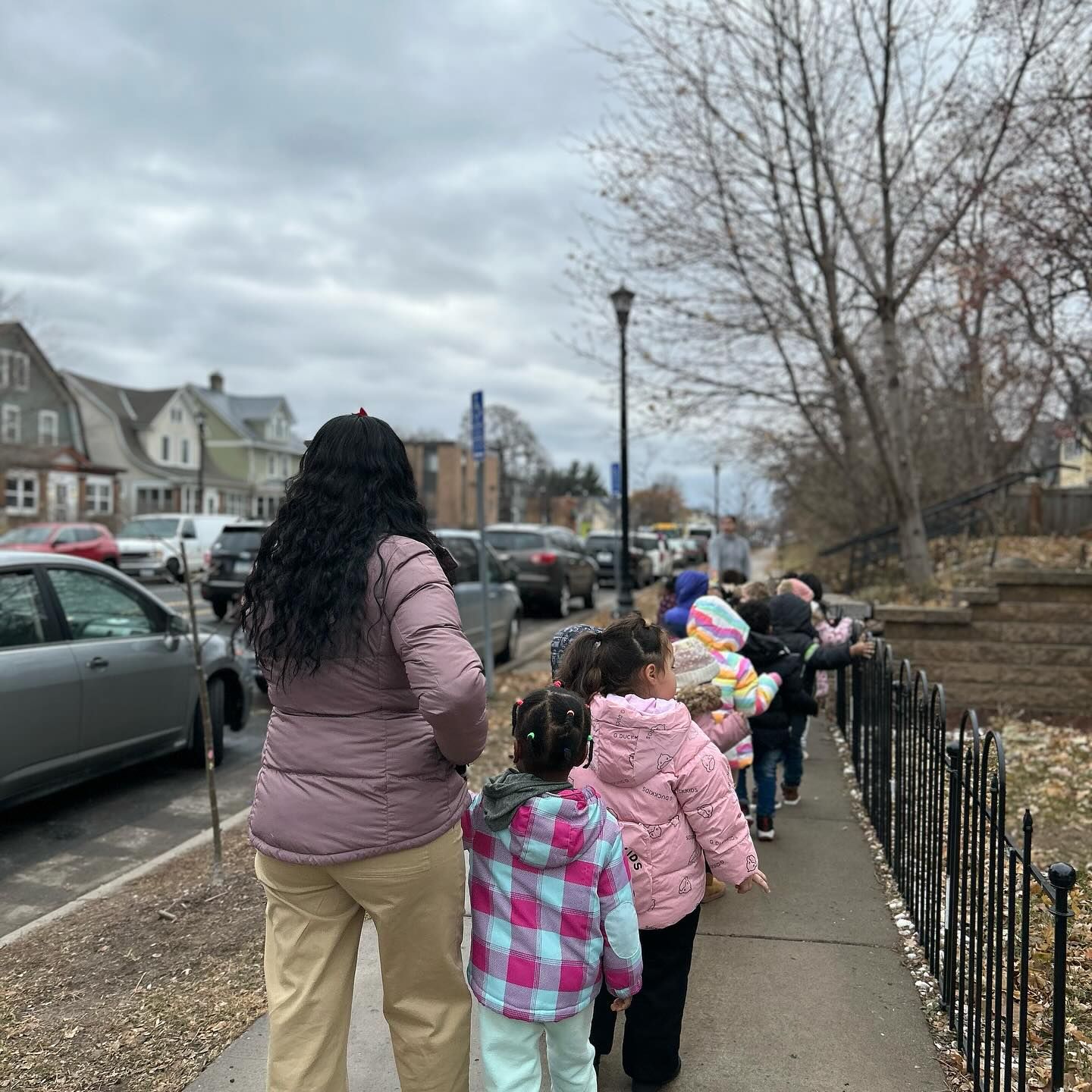
At Hooyo, transitions are handled with care and intention. Teachers prepare children for changes throughout the day, offering verbal reminders and emotional support. Over time, children learn to anticipate transitions and manage their emotions more effectively.
Supporting Independence and Confidence
Consistent routines also encourage independence. When children know the order of their day, they begin to take ownership of tasks and responsibilities.
Simple routines such as washing hands before meals, cleaning up toys after play, or gathering belongings at the end of the day teach children responsibility and self-reliance. These small moments build confidence and pride in their abilities.
At Hooyo Child Care Center, children are encouraged to participate in daily routines in age-appropriate ways. This involvement helps them feel capable and valued, reinforcing a positive self-image.
Cognitive Benefits of Structured Days
Routines do not limit learning. In fact, they enhance it. When children are not preoccupied with uncertainty, they have more mental energy available for thinking, problem-solving, and creativity.
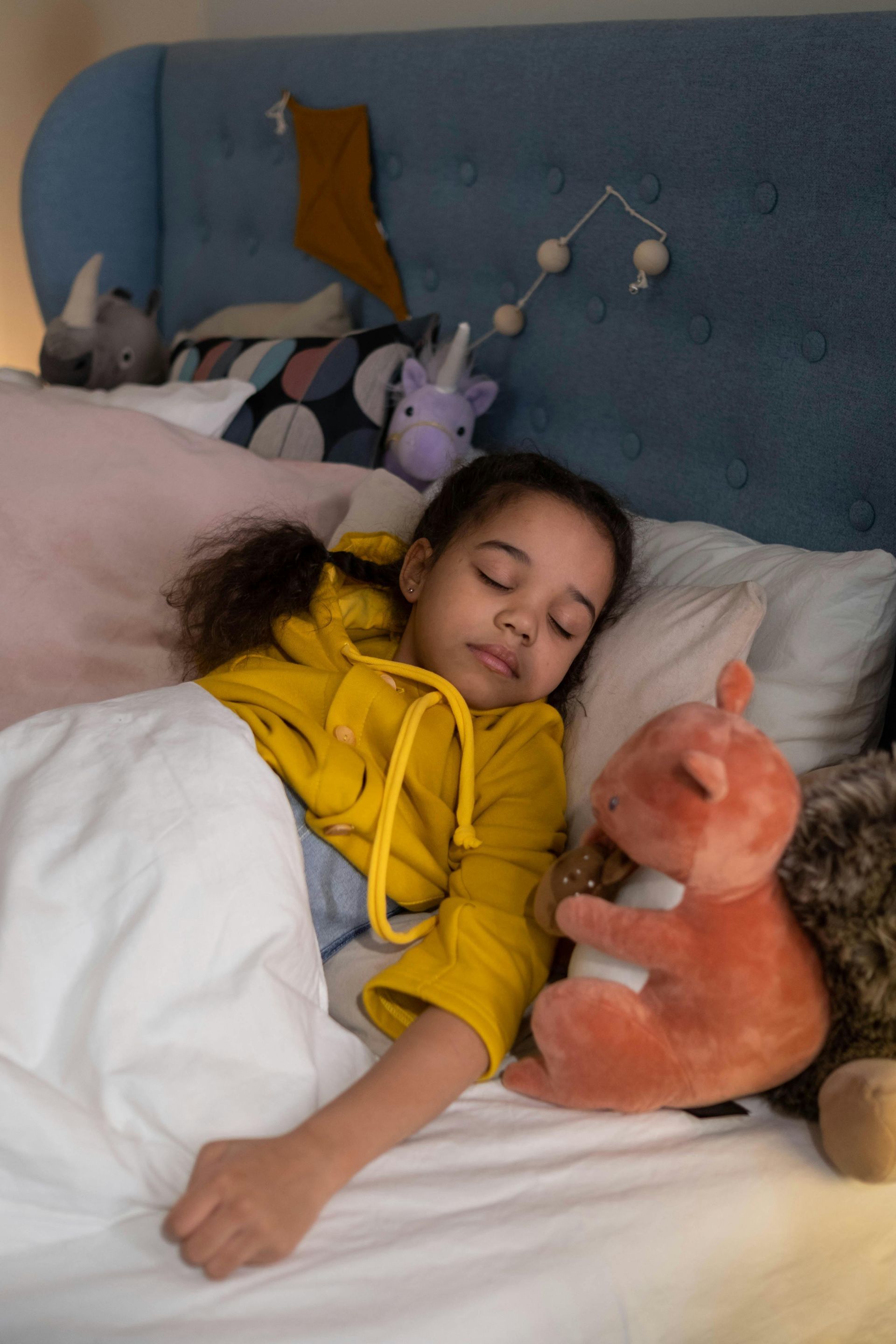
Structured routines provide a framework within which children can explore freely. For example, a predictable schedule that includes learning centers, outdoor play, and creative activities allows children to engage deeply without distraction.
At Hooyo, routines are designed to support cognitive development by balancing active learning with rest and reflection. This rhythm helps children stay engaged and receptive throughout the day.
The Role of Routines in Behavior Management
Consistent routines play a major role in positive behavior. Many challenging behaviors in young children stem from confusion, fatigue, or overstimulation. Predictable schedules reduce these triggers.
When children know what is expected of them, they are more likely to follow guidelines and cooperate. Routines create clear boundaries and expectations without the need for constant correction.
Hooyo Child Care Center uses routines as a proactive behavior support strategy. Rather than reacting to behavior, we focus on creating an environment that naturally supports positive actions and choices.
Daily Routines at Hooyo Child Care Center
At Hooyo, daily routines are thoughtfully designed to support children of all ages, from infants to school-age children. Each day includes consistent elements such as arrival routines, learning activities, meals, rest, and outdoor play.
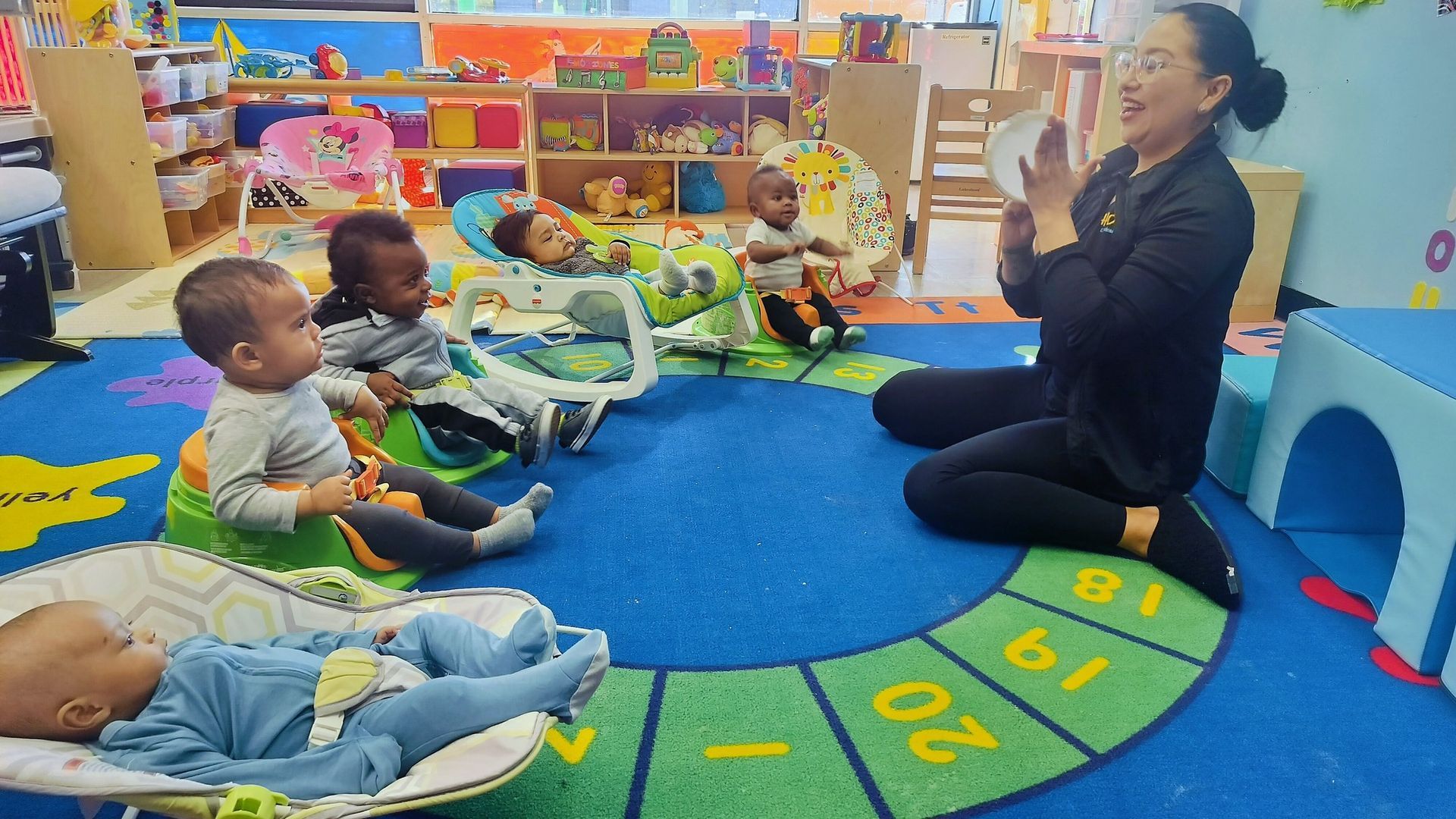
Infants follow individualized routines that align with family preferences, ensuring continuity between home and child care. Toddlers and preschoolers experience predictable group schedules that support socialization and learning.
School-age children benefit from routines that balance academic support, enrichment activities, and relaxation. These routines help children transition smoothly between school and after-school care.
Routines and Family Life
Consistent routines in child care also support families at home. When children experience predictable schedules during the day, they often carry those patterns into their home life.
Parents may notice improved sleep habits, smoother mornings, and easier transitions at home. Children who understand routines are better prepared to follow similar structures outside of child care.
Hooyo works closely with families to align routines when possible, creating consistency between home and school. This partnership supports children’s overall well-being and reduces stress for parents.
Flexibility Within Structure
While consistency is important, routines should not be rigid. Children have individual needs, and flexibility allows caregivers to respond appropriately to each child.
At Hooyo Child Care Center, routines are adaptable. Teachers adjust schedules based on children’s energy levels, emotional needs, and developmental stages. This flexibility ensures routines remain supportive rather than restrictive.
The goal is to provide structure that guides children while respecting their individuality.
Long-Term Benefits of Consistent Routines
The benefits of routines extend far beyond early childhood. Children who grow up with consistent routines often develop strong organizational skills, self-discipline, and time management abilities.
These skills support academic success, emotional resilience, and healthy relationships later in life. By establishing routines early, families help children build habits that will serve them well for years to come.
Hooyo Child Care Center views routines as a foundation for lifelong success, not just daily convenience.
Why Families Choose Hooyo for Structured Care
Families in Minneapolis choose Hooyo Child Care Center because we understand the importance of consistency, structure, and care. Our routines are designed with intention, supported by trained educators, and tailored to meet the needs of diverse families.
With extended hours, play-based learning, and strong family partnerships, Hooyo provides a stable environment where children can thrive emotionally, socially, and academically.
Supporting Your Child Through Consistency
For parents seeking child care that values both structure and compassion, consistent routines make a meaningful difference. They support children’s development while offering parents peace of mind.
If you are looking for a child care center in Minneapolis that prioritizes predictable, nurturing routines, Hooyo Child Care Center is here to support your family.
To learn more or schedule a tour, call 612-423-8956 or visit www.hooyochildcarecenter.com