Choosing a child care center is one of the most important decisions a parent will ever make. For families in Minneapolis, the search can feel overwhelming, with many centers offering similar promises of safety, learning, and care. While every child care center may look good on the surface, not all provide the same level of quality, consistency, and family support.
The right child care center does more than supervise children during the workday. It becomes an extension of your family, a place where your child feels safe, valued, and encouraged to grow. Understanding what to look for can help parents make confident, informed choices that support their child’s development and their own peace of mind.
Understanding Your Family’s Needs
Before touring child care centers, it is important to reflect on your family’s specific needs. Every family is different, and the best child care center for one household may not be the right fit for another.
Consider your work schedule, commute time, and flexibility needs. Some parents require extended hours due to early shifts or late workdays, while others may need part-time or flexible care options. Understanding your scheduling needs will help narrow down centers that truly fit your lifestyle.
It is also helpful to think about your child’s personality and developmental stage. Some children thrive in structured environments, while others benefit from more play-based learning. Younger children may need extra emotional support and consistency, while older children may benefit from enrichment and social interaction.
Licensing and Safety Standards
A high-quality child care center should be fully licensed by the state and meet all health and safety regulations. Licensing ensures that the center follows guidelines for staff qualifications, child-to-teacher ratios, sanitation, and emergency procedures.
Parents should feel comfortable asking about safety policies, including supervision practices, illness policies, and emergency preparedness. A transparent center will gladly explain how they keep children safe and how staff are trained to respond to emergencies.
At Hooyo Child Care Center, safety is a top priority. Secure entry systems, trained staff, and consistent supervision help create a safe environment where families can feel confident leaving their children each day.
Teacher Qualifications and Staff Consistency
The quality of a child care center is closely tied to the people who work there. Caregivers play a crucial role in a child’s emotional security, learning, and daily experience.
When evaluating a center, ask about staff training, certifications, and experience.
Teachers should have knowledge of child development and receive ongoing professional development to stay current with best practices.
Equally important is staff consistency. Frequent staff turnover can be disruptive for children, especially infants and toddlers who rely on stable relationships. A center with long-term staff demonstrates a positive work environment and strong leadership.
Hooyo Child Care Center emphasizes consistent staffing and professional growth, allowing children to form trusting relationships with caregivers who understand their individual needs.
Curriculum and Learning Approach
A strong child care program should offer more than free play. It should have a thoughtfully designed curriculum that supports cognitive, social, emotional, and physical development.
Play-based learning is widely recognized as one of the most effective approaches for young children. Through guided play, children learn problem-solving, communication, creativity, and early academic skills in a natural and engaging way.
Parents should ask how learning is incorporated into daily routines and how teachers adapt activities for different ages and developmental levels. The goal is to support learning without pressure or unrealistic expectations.
At Hooyo, learning happens through exploration, play, and meaningful interactions. Children are encouraged to ask questions, try new things, and grow at their own pace.
Emotional Environment and Classroom Atmosphere
A child care center should feel warm and welcoming, not cold or institutional. Children learn best when they feel emotionally safe and supported.
During a tour, observe how teachers interact with children. Are they patient, kind, and responsive? Do children appear comfortable and engaged? These observations can tell you a lot about the center’s culture.
Positive emotional environments support confidence, independence, and healthy behavior. Children who feel respected and understood are more likely to develop strong self-esteem and positive social skills.
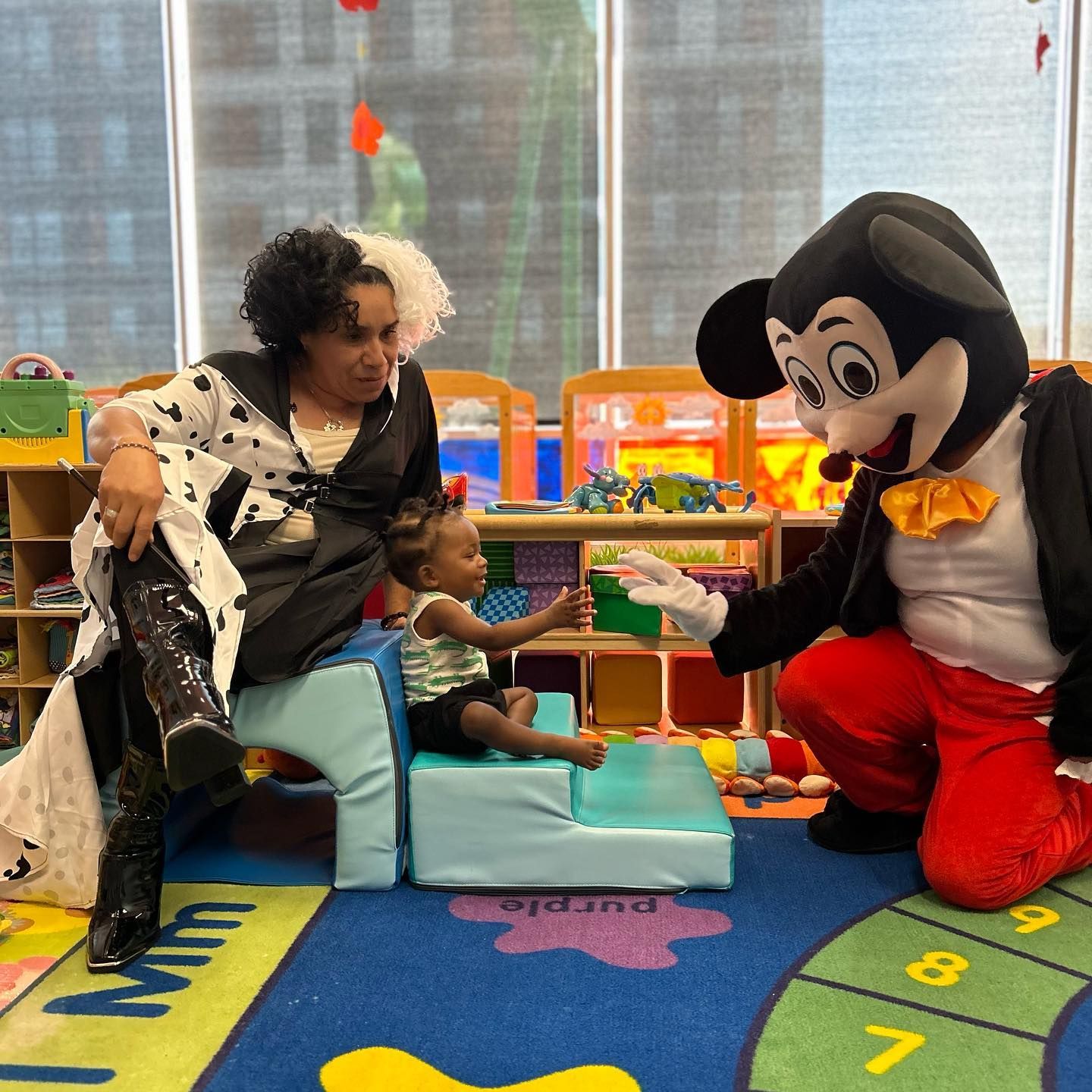
Hooyo Child Care Center focuses on creating a home-like environment where children feel a sense of belonging and trust.
Communication With Families
Strong communication between parents and caregivers is essential for a successful child care experience. Parents should feel informed, heard, and involved in their child’s daily life at the center.
Ask how the center shares updates, handles concerns, and involves parents in the learning process. Daily reports, open-door policies, and regular conferences help build trust and collaboration.
At Hooyo, communication is a priority. Families receive consistent updates and are encouraged to participate in their child’s learning journey through events, workshops, and ongoing dialogue.
Nutrition and Daily Routines
Nutrition plays an important role in early childhood development. A quality child care center should provide balanced meals and encourage healthy eating habits.
Family-style meals, where children and caregivers eat together, promote social skills, independence, and positive relationships with food. Routine meal and snack times also provide structure and comfort.
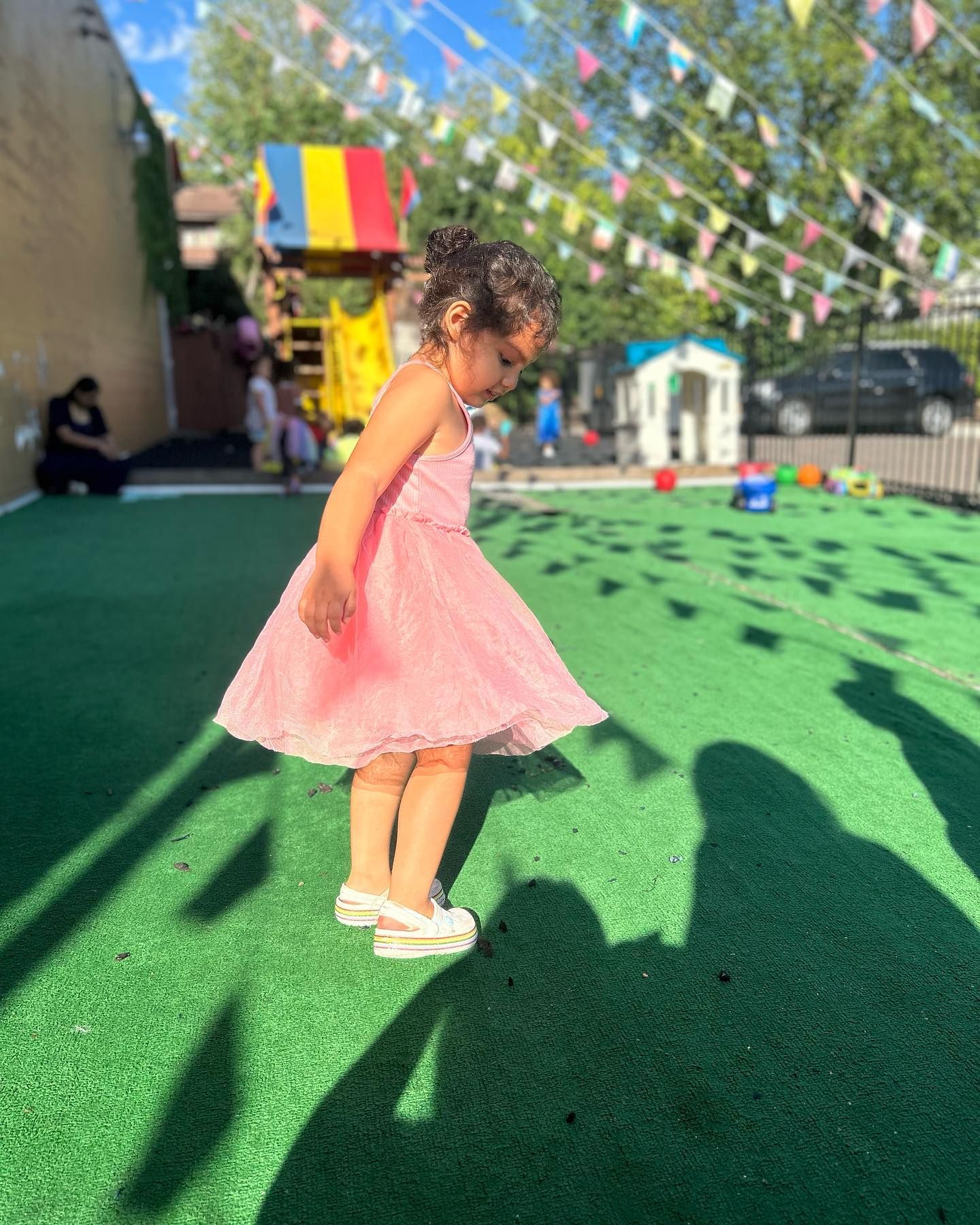
In addition to meals, daily routines should include rest, outdoor play, and opportunities for movement. A balanced schedule supports both physical health and emotional regulation.
Hooyo incorporates nutritious meals, active play, and rest periods into each day to support children’s overall well-being.
Cultural Inclusion and Values
Minneapolis is a diverse city, and many families value child care centers that reflect and respect different cultures and backgrounds. Inclusive environments help children develop empathy, cultural awareness, and respect for others.
A strong center celebrates diversity through books, music, language, and traditions. Bilingual instruction can also support language development and strengthen cognitive flexibility.
Hooyo Child Care Center embraces multicultural education and bilingual learning, ensuring children feel seen and valued while learning about the world around them.
Trusting Your Instincts
While research and recommendations are important, parents should also trust their instincts. If a center feels right, aligns with your values, and meets your child’s needs, that feeling matters.
The best child care center is one where your child feels happy, safe, and excited to return each day. When parents feel confident in their choice, children benefit from that sense of security.
Choosing Hooyo Child Care Center in Minneapolis
At Hooyo Child Care Center, we understand how meaningful this decision is for families. Our programs are designed to support children from infancy through school age in a nurturing, inclusive, and structured environment.
We offer extended hours, play-based learning, bilingual instruction, family-style meals, and strong parent partnerships. Our goal is to support not only children, but entire families, providing peace of mind and quality care every step of the way.
If you are searching for a trusted child care center in Minneapolis, we invite you to visit Hooyo Child Care Center and experience our community firsthand.